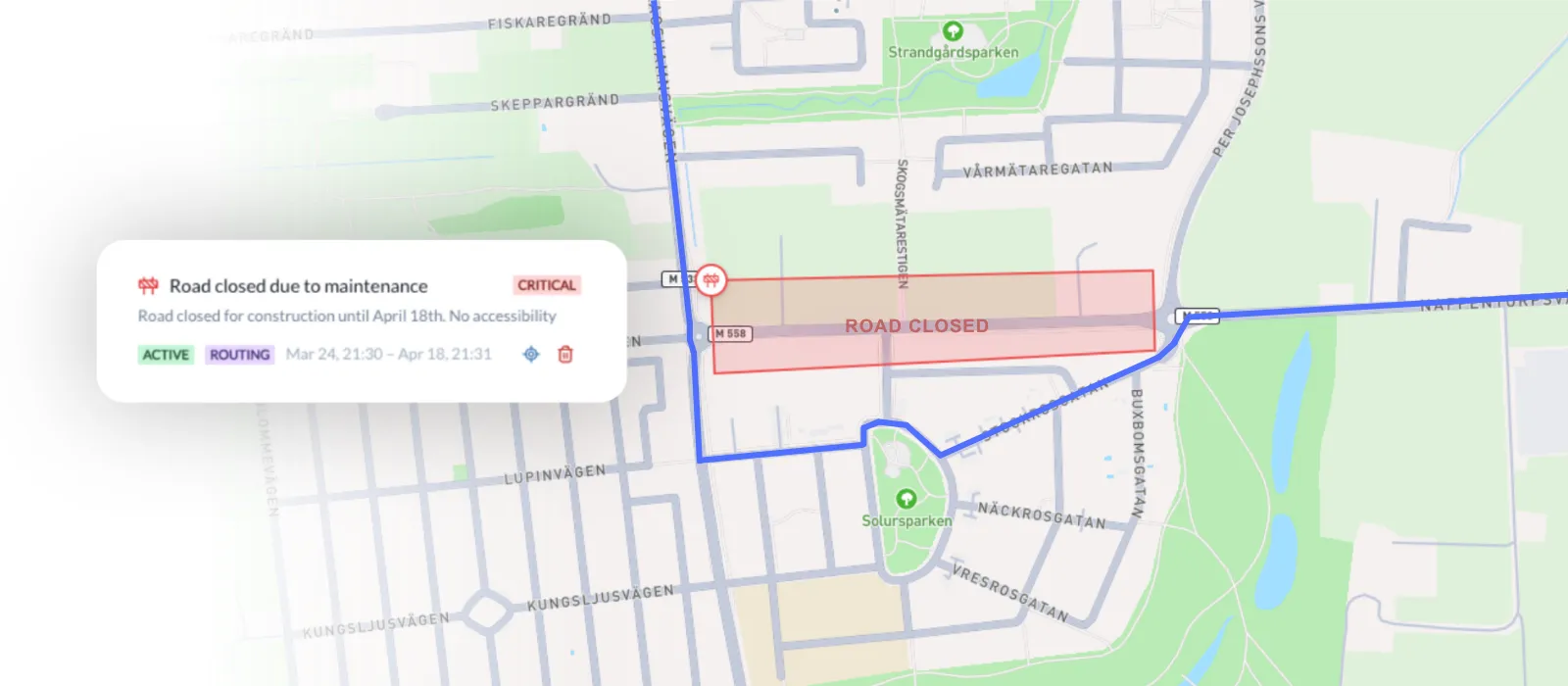
Closures: AI-Powered emergency routing
Closures uses AI to process incoming information about road closure and turn it into actionable routing data, directly reflected in Vehicle Services. Using hyper-local information to help reduce response times.

Where the minutes go between the call and arrival, and how mobilisation, navigation and the last 100 metres can win them back.
Closures uses AI to process incoming information about road closure and turn it into actionable routing data, directly reflected in Vehicle Services. Using hyper-local information to help reduce response times.
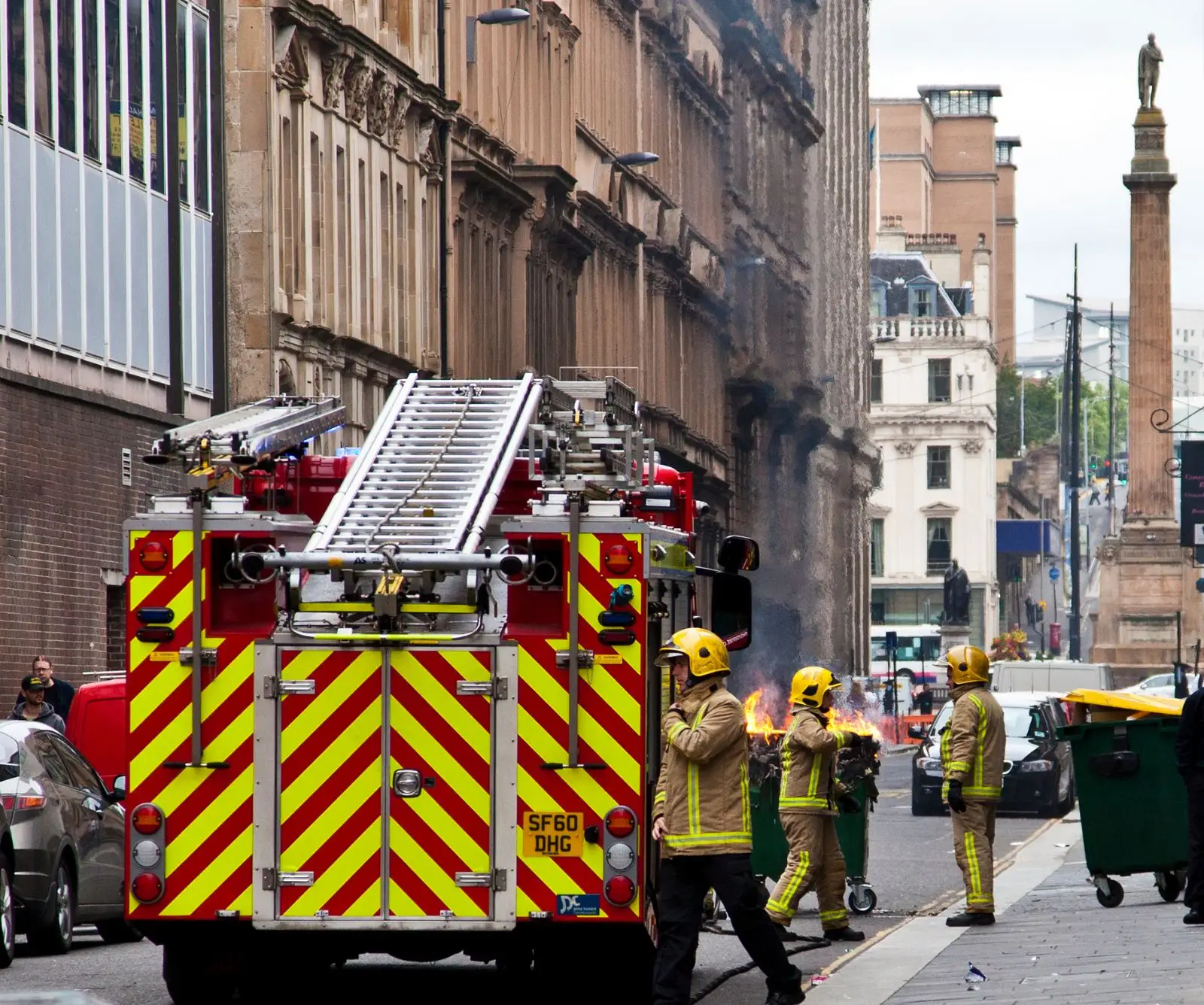
Firefighters are among the most respected professionals in society, known for their selfless dedication to protecting lives and property. Retained firefighters, who often serve in rural areas, small towns, and villages, are an essential component of the Fire and Rescue Service. In the UK alone, over 14,000 individuals serve as retained firefighters. These individuals tackle emergencies ranging from fires and floods to road traffic collisions and hazardous materials incidents, ensuring public safety at all hours.

UK police forces have not significantly changed the way they dispatch officers in over a decade. While there have been minor updates to the process, the fundamental reliance on voice communication remains the same. A dispatcher verbally relays incident information to officers in the field, who must remember the details and manually enter the incident location into their navigation systems. This approach, heavily dependent on human performance, introduces inefficiencies and quality concerns that can be mitigated through the adoption of modern technology.
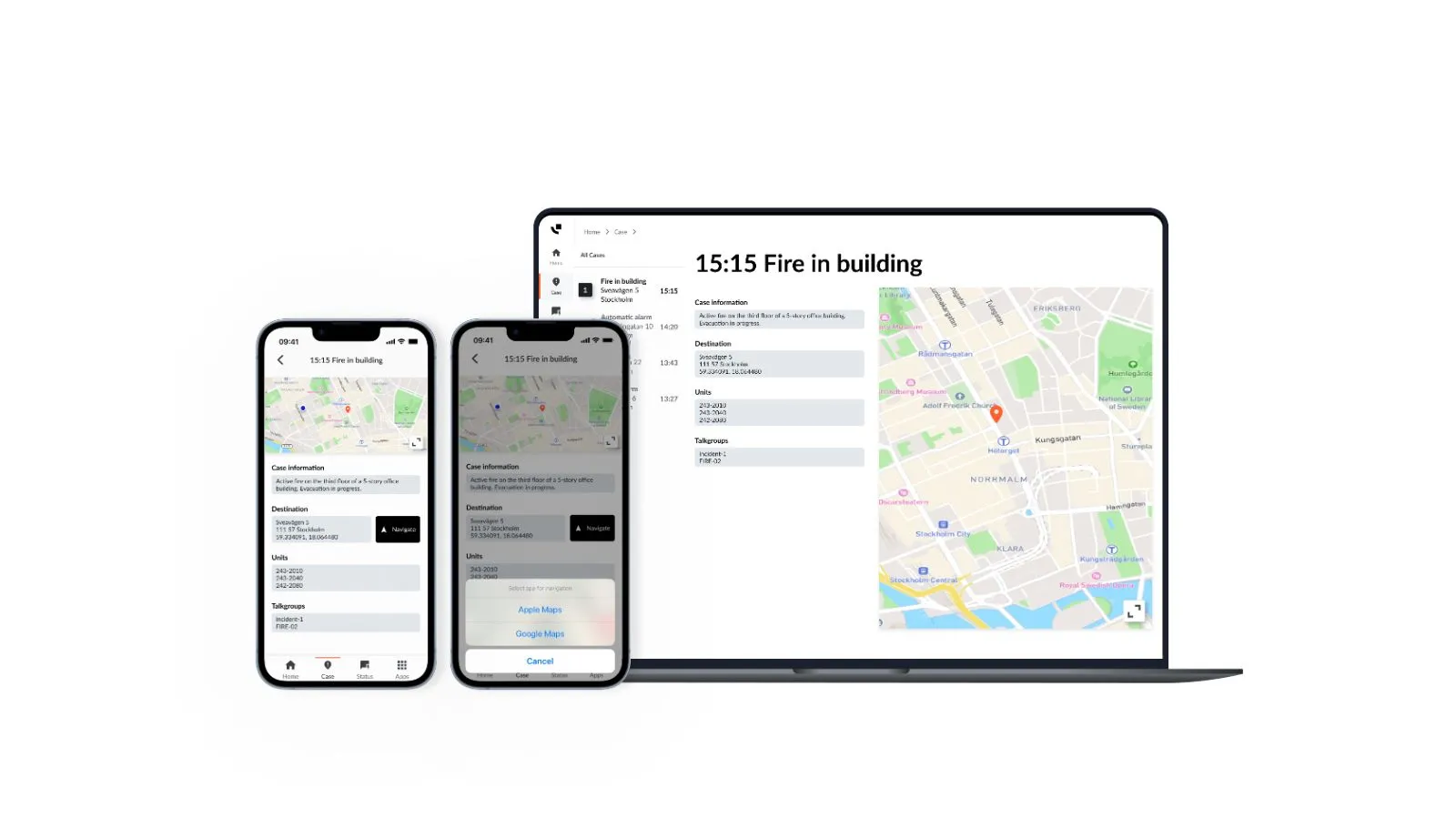
Effective mobilisation of the right resources during incidents can significantly influence the outcome, yielding cost savings for society and, crucially, making the difference between life and death.
Endings matter—especially for first responders navigating emergency situations. Interestingly, the last 100 metres often present the toughest challenges for emergency drivers. This blog explores why this final stretch is so critical and how improvements can enhance precision and speed, ultimately saving more lives.
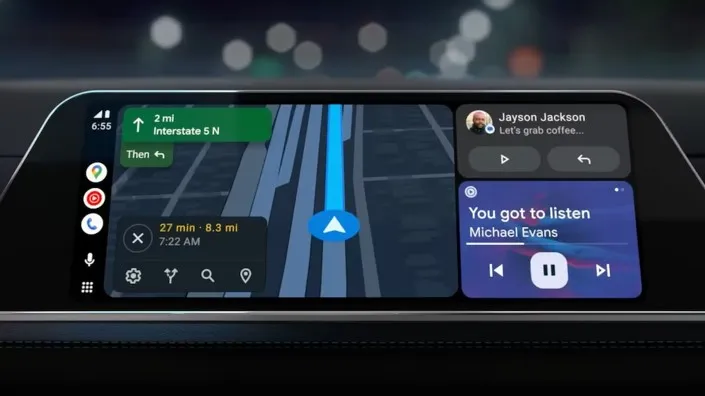
”There is no better navigation system than Google Maps” is quite a common statement. Perhaps it’s true for commercial use but for blue light agencies the reality is different which places special requirements and expectations on these types of systems. In the quest to efficiently and quickly reach emergency situations, blue light authorities encounter challenges that Google Maps or other commercial navigation systems cannot fully address.
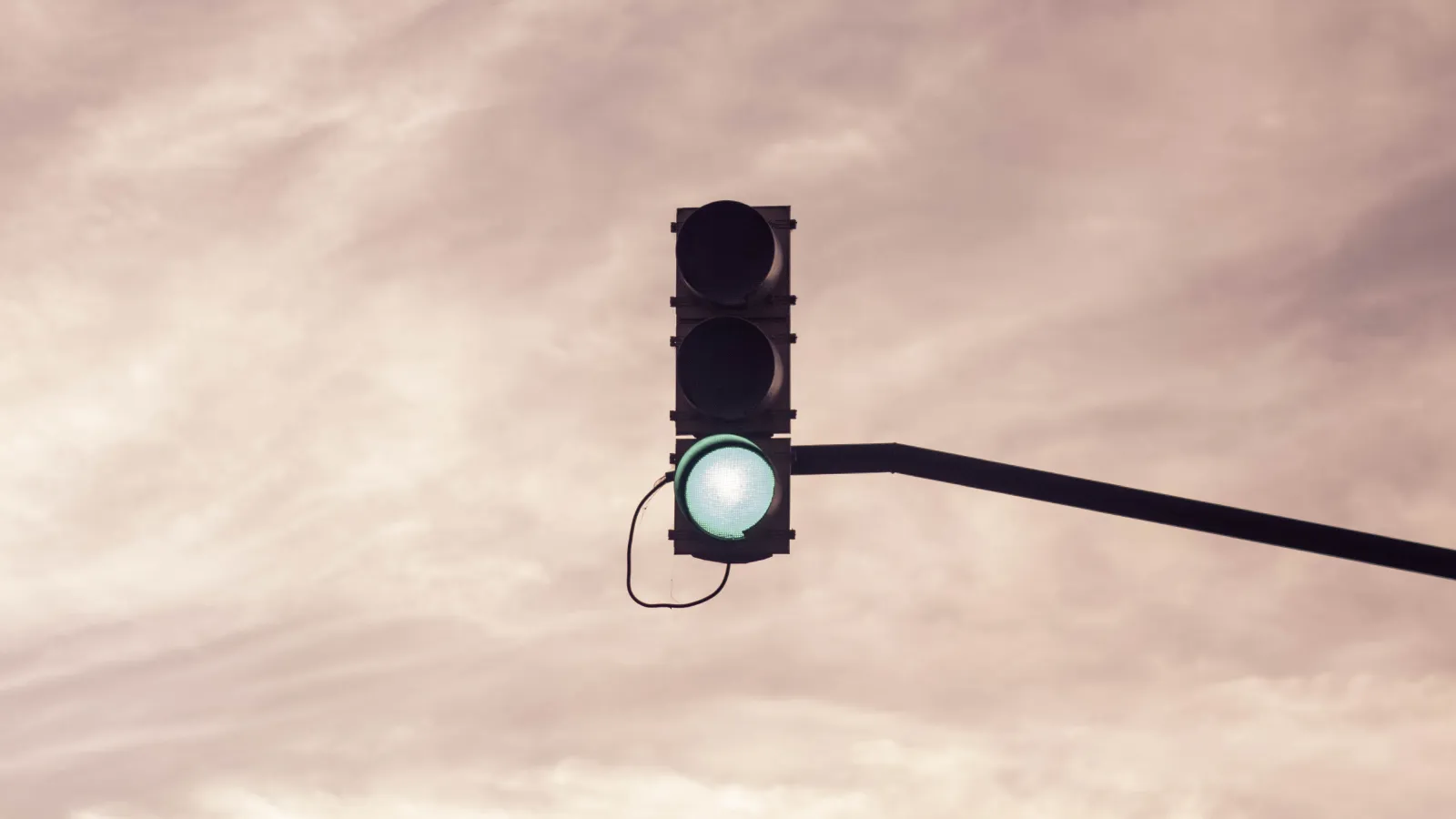
In the fast-paced world we live in, every second counts, especially in critical situations where life hangs on a thread. Emergency responders, like paramedics, firefighters, and police officers, play a crucial role in maintaining public safety. However, navigating through congested city streets during rush hours or through crowded intersections can significantly hamper their ability to reach their destinations swiftly and make emergency driving more dangerous than necessary. This is where modern traffic light priority systems for emergency vehicles step in, revolutionising the way emergency responders can save lives and time.